
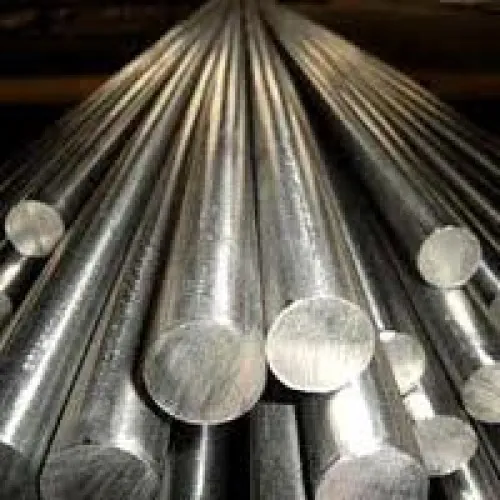
Commercially pure titanium (Grades 1 to 4, TP340) and titanium alloys Grade 5 (Ti-6Al-4V), Grade 9 and Grade 23 (Ti-6Al-4V ELI). Cut to size with no MOQ, shipped globally.
Titanium combines high strength, low weight and outstanding resistance to heat, water and salt. E STEEL SDN BHD supplies commercially pure titanium for corrosion resistance and alloyed grades such as Ti-6Al-4V where strength matters, cut to size with no MOQ.
Titanium is considered to be one of the strongest metals. Its strength, heat, water and salt resistance, and its light weight make it the ideal metal for a variety of applications. These applications range from jewelry and dental implants to airplanes and ships. Pure titanium is strong and corrosive resistant. Titanium Alloys retain the same strength and corrosion resistance, but takes on the greater flexibility and malleability of the metal it is combined with. Titanium alloys, therefore, have more applications than pure titanium. There are six grades of pure titanium (grades 1,2,3,4,7 and 11) and 4 varieties of titanium alloys. Titanium alloys typically contain traces of aluminum, molybdenum, vanadium, niobium, tantalum, zirconium, manganese, iron, chromium, cobalt, nickel, and copper.
The four grades, or varieties of titanium alloys are Ti 6AL-4V, Ti 6AL ELI, Ti 3Al 2.5 and Ti 5Al-2.5Sn.
Ti-6AL-4V is the most commonly used of the titanium alloys. It is therefore commonly referred to as the titanium alloy “workhorse.” It is believed to be used in half of the usage of titanium around the world.
These desirable properties make Ti-6AL-4V a popular choice in several industries including medical, marine, aerospace and chemical processing. Ti 6AL-4V is commonly used to make:
Ti 6 AL-4V ELI is commonly referred to surgical titanium because of its use in surgery. It is a more pure version of Grade 5 (Ti 6AL-4V) titanium alloy. It can be easily molded, and cut into small strands, coils, and wires.
It has the same strength, and high corrosion resistance as Ti 6AL-4V. It is also light-weight and is highly tolerant to damage by other alloys. Its use is highly desirable in the medical and dental fields for uses in complex surgical procedures not only because of these properties but also because of the unique surgical properties Ti 6AL-4V ELI has. It has superior biocompatibility making it easy to graft in and attach to bone all the while being accepted by the human body. Some of the more common surgical procedures Ti 6AL-4V ELI is used in include:
Ti 3 AI 2.5 is the titanium alloy with the best weldability. It is also strong at high temperatures like the other titanium alloys. This grade 12 titanium alloy is unique in that it exhibits characteristics of stainless steel (one of the other strong metals), such as being heavier than the other titanium alloys.
Ti 3 Al 2.5 is most commonly used in the manufacturing industry, specifically in equipment. It is highly resistant to corrosion and can be formed by heat or cold. Grade 12 titanium alloy is used the most in the following industries and applications:
Ti 5Al-2.5Sn is a non-heat treatable alloy that can achieve good weldability with stability. It also possesses high temperature stability, high strength, and good corrosion resistance. It has a uniquely high creep (plastic-like strain over long periods of time, usually caused by extreme temperatures) resistance. Ti 5Al-25.Sn is mostly used in aircraft and airframe applications.
Titanium as a whole is a highly durable and strong metal. In its pure form it has many uses. It alloys add greater malleability and flexibility to the already strong metal, opening up doors to many more applications. Each titanium alloy shares the same strength and corrosion resistance. They vary on flexibility, making a specific alloy ideal for specific industries and applications
commercially pure (CP) Titanium
Available in four distinct grades (1, 2, 3, and 4), Titanium is classified by its corrosion resistance, ductility, and strength. CP Ti Gr. 1 has the highest corrosion resistance, formability, and lowest strength, whereas, CP Ti Gr. 4 offers the highest strength with moderate formability. The most desirable feature of our CP Ti is its ability to osseointegrate within the human body. Titanium also offers a higher strength-to-weight ratio and increased corrosion resistance compared to the stainless steel alloys, thus making it an attractive choice for medical applications.
Grade 1 titanium is the first of four commercially pure titanium grades. It is the softest and most ductile of these grades. It possesses the greatest formability, excellent corrosion resistance and high impact toughness.
Because of all these qualities, Grade 1 is the material of choice for any application where ease of formability is required and is commonly available as titanium plate and tubing. These include:
Grade 2 titanium is called the “workhorse” of the commercially pure titanium industry, thanks to its varied usability and wide availability. It shares many of the same qualities as Grade 1 titanium, but it is slightly stronger. Both are equally corrosion resistant.
This grade possesses good weldability, strength, ductility and formability. This makes Grade 2 titanium bar and sheet are the prime choice for many fields of applications:
Grade 3 Titanium Parts is least used of the commercially pure titanium grades, but that does not make it any less valuable. Grade 3 is stronger than Grades 1 and 2, similar in ductility and only slightly less formable – but it possesses higher mechanicals than its predecessors.
Grade 3 is used in applications requiring moderate strength and major corrosion resistance. These include:
Grade 4 Titanium is known as the strongest of the four grades of commercially pure titanium. It is also known for its excellent corrosion resistance, good formability and weldability.
Though it is normally used in the following industrial applications, Grade 4 has recently found a niche as a medical grade titanium. It is needed in applications in which high strength is required:
Chemistry
| Grade 1 | Grade 2 | Grade 3 | Grade 4 | |
|---|---|---|---|---|
| Nitrogen, max. | 0.03 | 0.03 | 0.05 | 0.05 |
| Carbon, max. | 0.08 | 0.08 | 0.08 | 0.08 |
| Hydrogen, max. | 0.015 | 0.015 | 0.015 | 0.015 |
| Iron, max. | 0.20 | 0.30 | 0.30 | 0.50 |
| Oxygen, max. | 0.18 | 0.25 | 0.35 | 0.40 |
| Titanium | Balance | Balance | Balance | Balance |
FWM chemistry is for reference only, and is not to be used for specification purposes.
Mechanical Properties
| Grade | U.T.S. min. | Y.S. min. (2% offset) | % Elongation | ||
|---|---|---|---|---|---|
| ksi | MPa | ksi | MPa | (2 in. gauge length) min. % | |
| 1 | 35 | 240 | 25 | 170 | 24 |
| 2 | 50 | 345 | 40 | 275 | 20 |
| 3 | 65 | 450 | 55 | 380 | 18 |
| 4 | 80 | 550 | 70 | 483 | 15 |
Values are typical and may not represent all diameters. Test method will affect result
CP Grade 2 Titanium Sheet, Coil, Bar, Plate
Commercially pure titanium grades feature an excellent strength-to-density ratio and good corrosion resistance. This makes them suitable for the manufacture of components in weight-saving structures with reduced mass forces, and also for components requiring high corrosion resistance. In addition, thermal stresses in titanium structures are lower than in other metallic materials, due to the low thermal expansion of titanium. The materials are also widely used in the medical sector because of their outstanding biocompatibility.
Standard
| Material No. | EN Designation | ASTM | UNS |
|---|---|---|---|
| 3.7035 | Titan Grade 2 | Ti-Grade 2 | R50400 |
Chemical Composition (%)1 – Grade 2
| Titanium | Iron | Oxygen | Carbon |
|---|---|---|---|
| Remainder | 0.30 max | 0.25 max | 0.08 max |
| Nitrogen | Hydrogen2,3 | ||
| 0.03 max | 0.015 max |
1Per applicable ASTM specifications. 2Lower hydrogen values may be obtained by negotiating with the manufacturer. 3Final product analysis.
Mechanical Properties of CP Grade 2 Titanium
| Room Temperature Mechanical Properties | UTS Ksi (MPa) | YS Ksi (MPa) | %EI | %RA |
|---|---|---|---|---|
| Specified Minimum Properties | 50 (345) | 40 (275) | 20 | 30 |
| Typical Properties | 74-88 (510-605) | 49-79 (335-545) | 21-29 | 47-54 |
Industries & Applications
Titanium Grade 2 has a lower density making it very desirable where weight can be a concern. Medical and aerospace are two key industries for titanium alloys. The strength and corrosion resistance properties of titanium Grade 2 also make it well suited to applications in the marine, chemical processing and desalination industries. Typical applications for Grade 2 titanium include oil & gas components, reaction and pressure vessels, tubing or piping systems, heat exchangers, liners, flue-gas desulphurization systems and many other industrial components. Continuous service temperatures can reach up to 800°F with occasional, intermittent service at 1000°F.
Resistance to Corrosion
Titanium’s C.P. grades corrosion resistance comes from a strongly adherent, stable, protective oxide film, which forms in the presence of oxygen. This film makes the commercially pure titanium grades resistant to most oxidizing, neutral and inhibited reducing, as well as mildly reducing environments. Grade 2 offers excellent resistance to seawater and marine atmospheric corrosion. Corrosion resistance is similar between the four C.P. grades, but mechanical properties vary along with varying oxygen and iron contents. Grade 2 titanium is resistant to attack from moist chlorides and metallic chlorides, chlorite and hypochlorite solutions, nitric and chromic acids, organic acids as well as many gaseous industrial applications.
Fabrication and Heat Treatment
Titanium Grade 2 has good ductility, which allows for cold formability. To prevent cold forming concerns, the minimum bend radius for material under 0.070″ thick should be 2T, while 2.5T should be used for material over 0.070″. The material can also be easily machined, hot worked and welded. Hot working should be performed between 400°F and 600°F. Stress relieving should be performed by heating to a temperature between 900°F and 1100°F followed by either forced air or slow cooling. Annealing temperatures range from 1200°F to 1400°F for 6 minutes to 2 hours followed by an air cool. Welding of Grade 2 titanium can be performed using various methods such as MIG and TIG. Inert gas shielding is crucial to prevent oxygen pickup and embrittlement of the weld area. A mixture of argon and helium is typically preferred but should be tested prior to accepting a welding procedure. Preheat or post heat treatments are not required.
Titanium Grade 4 is a commercially pure titanium alloy (CP Ti) known for its excellent mechanical properties, corrosion resistance, and biocompatibility. It is stronger than Grades 1, 2, and 3 while retaining the high corrosion resistance and other favorable attributes of pure titanium. This makes it one of the most widely used grades in demanding applications.
Key Properties of Titanium Grade 4
1. High Strength: Titanium Grade 4 has the highest strength of the commercially pure grades, making it suitable for structural and load-bearing applications.
2. Corrosion Resistance: Exceptional resistance to corrosion in a variety of environments, including seawater, chloride solutions, and oxidizing acids.
3. Biocompatibility: Non-toxic and well-suited for medical implants and surgical tools due to its compatibility with the human body.
4. Lightweight: Despite its strength, it is much lighter than steel, reducing weight in applications like aerospace and medical devices.
5. Workability: It offers decent formability and machinability, though it’s more challenging to work with compared to lower-grade CP titanium.
Common Applications
– Medical Field: Implants, Surgical instruments
– Aerospace: Aircraft components where strength and weight savings are critical
– Industrial Uses: Chemical processing equipment
– Heat exchangers
– Marine applications
– Sporting Goods: Lightweight and durable bicycle frames or sports equipment
Why Choose Titanium Grade 4 ?
You’d choose Titanium Grade 4 when a balance of high strength, excellent corrosion resistance, and biocompatibility is required. It is particularly valuable in environments exposed to harsh conditions or in applications where durability and safety are critical.
CP Grade 2 Titanium ,TP270C, TP340C, TP340H, TB340
Commercially pure titanium grades feature an excellent strength-to-density ratio and good corrosion resistance. This makes them suitable for the manufacture of components in weight-saving structures with reduced mass forces, and also for components requiring high corrosion resistance. In addition, thermal stresses in titanium structures are lower than in other metallic materials, due to the low thermal expansion of titanium. The materials are also widely used in the medical sector because of their outstanding biocompatibility.
TP340, JIS Pure Titanium Plate, 340 ~ 510 MPa
TP340 is pure titanium.Titanium is over 99%
All other elements are metals that account for less than 1%. Whether it is hot rolling or cold rolling,
According to the manufacturing rolling, it is TP340H for hot and TP340C for cold. TP340 is pure titanium for industrial use
It has good corrosion resistance, especially sea water resistance , and is used in chemical, petroleum, and pulp paper manufacturing equipment.
Titanium features light weight — specific gravity of 4.51, approximately 60% of iron (Fe)
Strong — no difference in strength from steel and biocompatible — extremely low ion elution, very low metal ion allergy
Corrosion resistance to seawater — optimal for use in seawater environments due to seawater resistance to seawater and processability — equal to steel in processability
Non-magnetic — Non magnetic low thermal expansion — thermal expansion coefficient of 8.40, equivalent to glass or concrete
Compared to Al: 23.9 and ordinary steel 11.6, you can see how low it is.
※ Thermal expansion coefficient When the temperature (heat) rises by 1 ℃, it refers to the ratio between the expanded size and the size before expansion. There are linear expansion coefficient and volume (volume) expansion coefficient. The coefficient of thermal expansion decreases as the amount of carbon increases and the amount of alloy increases.
| Commodity | Standard | Symbol | Finishing mathod | mass |
|---|---|---|---|---|
| Plate | JIS H4600 | TP270C | Cold Rolling | 4.51 |
| JIS H4600 | TP340C | Cold Rolling | 4.51 | |
| JIS H4600 | TP340H | Hot Rolling | 4.51 | |
| Bar | JIS H4650 | TB340C | Cold Rolling | 4.51 |
| JIS H4650 | TB340H | Hot Rolling | 4.51 | |
| JIS H4657 | TF340 | Forging | 4.51 | |
| ASTM | B348 Gr.5 | 6AL-4V | 4.43 | |
| Pipe | JIS H4635 | TTP340W | Welding | 4.51 |
| Chemical composition (%, max) | MPa. %. min. | ||||||||
|---|---|---|---|---|---|---|---|---|---|
| Symbol | N | C | H | Fe | O | Ti | Tensile | Yield | Elong. |
| TB270 | 0.03 | 0.08 | 0.01 | 0.20 | 0.15 | Remainder | 270 ~ 410 | 165 | 27 |
| TB340 | 0.03 | 0.08 | 0.01 | 0.25 | 0.20 | Remainder | 340 ~ 510 | 215 | 23 |
| TB480 | 0.05 | 0.08 | 0.01 | 0.30 | 0.30 | Remainder | 480 ~ 620 | 345 | 18 |
| TB550 | 0.05 | 0.08 | 0.01 | 0.5 | 0.40 | Remainder | 550 ~ 760 | 485 | 15 |
| Ti-6AL-4V Grade 5 Titanium in sheet, bar, and plate |
|---|
| Titanium Grade 5, also known as Ti6Al4V, Ti-6Al-4V or Ti 6-4, it is one of the most popular alloys in the titanium industry and accounts for almost half of the titanium used in the world today. Commonly referred to as Ti-6AL-4V (or Ti 6-4), this designation refers to its chemical composition of almost 90% titanium, 6% aluminum, 4% vanadium, 0.25% (max) iron and 0.2% (max) oxygen. It features excellent strength, low modulus of elasticity, high corrosion resistance, good weldability and it is heat treatable. The addition of aluminum and vanadium increases the hardness of the material in the alloy matrix, improving its physical and mechanical properties. |
| CHEMICAL COMPOSITION Weight % Al V Fe N C O H Ti Min. 5,5 3,5 Max. 6,8 4,5 0,25 0,05 0,08 0,2 0,015 BAL. Related Specifications of Ti6Al4V (Grade 5) UNS R56400 ASTM B348 (Grade 5) 3.7164 3.7165 Mechanical Properties Property Minimum Typical Value Tensile Strength MPa (ksi) 897 (130) 1000 (145) 0.2% Proof Stress MPa (ksi) 828 (120) 910 (132) Elongation Over 2 Inches % 10 18 Reduction in Area % 20 Elastic Modulus GPa (Msi) 114 (17) Hardness Rockwell C 36 Specified Bend Radius <0.070 in x Thickness 4.5 Specified Bend Radius >0.070 in x Thickness 5.0 Welded Bend Radius x Thickness 6 Charpy, V-Notch Impact J (ft.lbf) 24 (18) APPLICATIONS Titanium Grade 5 is a pure alpha-beta titanium with aluminum as the alpha stabilizer and vanadium as the beta stabilizer. This alloy is primarily use for corrosion resistance and is the most widely used specification in all product forms. The alloy features very high strength, good corrosion resistance, excellent strength to weight ratio and high strength at cryogenic temperatures. Weldability Grade 5 alloy is easily welded in the annealed condition, or in the solution and partially aged condition, with aging being completed during the post weld heat treatment. Precautions must be taken to prevent oxygen, nitrogen, and hydrogen contamination. Fusion welding can be done in inert gas filled chambers, or using inert gas welding of the molten metal and the adjacent heated zones using a trailing shield. Spot, seam, and flash welding can be performed without resorting to protective atmospheres. MACHINABILITY The alloy can be machined using practices for austenitic steels with slow speeds, heavy feeds, rigid tooling and large amounts of non-chlorinated cutting fluid Heat Treatment Solution treat at 904-954 C(1660-1750 F) for 2 hours followed by water quench. Forging Rough forge at 982 C(1800 F), finish at @ 968 C (1750 C). Hot Working Hot forming will reduce both the springback and required forming forces, and will increase the overall ductility of the material. Cold Working The cold working characteristics of this material are similar to those of austenitic stainless steels. In multiple forming operations, intermediate stress relieving is recommended to offset the alloy’s tendency to work harden. Post-work annealing is required to re-attain optimum performance characteristics. Annealing Hold at 732 C(1350 F) between 1/4 and 4 hours, Furnace cool to 566 C(1050 F) then air cool. Furnace cooling is not required for forgings and bars. Aging Age at 538 C (1000 F) for 4 hours, air cool. Titanium grade 5 or Ti 6Al-4V is an alpha-beta (α-β) alloy. … Titanium grade 1 is the most ductile of the commercially pure Titanium grades. As a result, the alloy is widely specified for the manufacture of plate heat exchangers. Titanium Grade 2 or Titanium CP3 is a commercially pure alpha (α) alloy. _____________________________________________________________________________________________ Is Grade 5 titanium harder than steel? Titanium is highly valued in the metals industry for its high tensile strength, as well as its light weight, corrosion resistance, and ability to withstand extreme temperatures. It’s as strong as steel but 45% lighter, and twice as strong as aluminum but only 60% heavier. _____________________________________________________________________________________________ How is grade 5 titanium made? Titanium Grade 5 is an alloyed titanium and is considered to be an alpha-beta alloy. Titanium Grade 5 is alloyed with 6% Aluminum and 4% Vanadium and is commonly known as Ti 6Al-4V. Titanium Engineers produces titanium bar, seamless tube and titanium machined components in Titanium Grade 5. |
Titanium alloys that meet specific demands
Given our experience, Our experts always make sure to find the right copper, titanium or other type of alloy that not only can handle extreme environments, but that also meet your specific demands.
World-wide deliveries
With fast deliveries all over the world we are the given option when you need high-quality alloys that meet the demands of today.
UNS R56320
Titanium Grade 9 is also referred to as Ti-3Al-2.5V or simply Ti-3-2.5. Titanium alloy Gr9 can be used in higher temperatures than commercially pure titanium grades 1-4, as it can be cold rolled with its outstanding corrosion resistance capability it’s used in industrial, aerospace and sporting equipments.
Titanium Grade 9’s mechanical properties offer much more strength than commercially pure titanium. One of the main benefits of this Titanium alloy with 3% Aluminum, 2.5% Vanadium is that it can be cold worked, unlike Ti-6-4, resulting in good ductility, moderately high strength, and excellent resistance to corrosion.
Titanium Grade 23 | Ti6Al4V ELI | 3.7165 | UNS R56401| ASTM F136
Discover our vast range of alloys made from titanium, copper, stainless steel and nickel. With the largest stock of special alloys available in Asia, we offer high-quality alloys that are sure to meet the demands of your industry.
As the fastest alloy supplier in Asia, we offer Air Freight deliveries all over the world. Our experts are more than happy to help if you’re in need of assistance, please contact us with any requirement or question.
Ti 6 AL-4V ELI is commonly referred to surgical titanium because of its use in surgery. It is a more pure version of Grade 5 (Ti 6AL-4V) titanium alloy. It can be easily molded, and cut into small strands, coils, and wires.
It has the same strength, and high corrosion resistance as Ti 6AL-4V. It is also light-weight and is highly tolerant to damage by other alloys. Its use is highly desirable in the medical and dental fields for uses in complex surgical procedures not only because of these properties but also because of the unique surgical properties Ti 6AL-4V ELI has. It has superior biocompatibility making it easy to graft in and attach to bone all the while being accepted by the human body. Some of the more common surgical procedures Ti 6AL-4V ELI is used in include:
Is g23 titanium safe?
Titanium is biocompatible which means it’s safe to use with living tissue (that’s you!) by being non toxic, non reactive and causes no immunological rejection. … Implant Grade 23 Titanium is the professional piercer’s material of choice for your piercing jewellery.
Is ASTM F136 titanium implant grade?
6Al-4V ELI is one of the most widely used Titanium alloys in the medical industry. It is certified to ASTM F136, and commonly referred to as implant grade 6-4 Titanium. … Orthopedic implants. Bone and Joint Replacement.
Is ASTM F 136 titanium good?
It is an ideal candidate for use in large gauge jewelry since it is slightly softer than titanium, and since it is more malleable, it is easier to open and close large gauge rings made of niobium. Just like titanium, you can alter the color of the jewelry by anodizing it.
Bandsaw technology ensures minimal kerf loss and clean, burr-free edges.
Cut to the size your job needs. No minimum order quantity.
Mill test reports (MTRs) for traceability.
Fast air and sea shipping with real-time tracking.
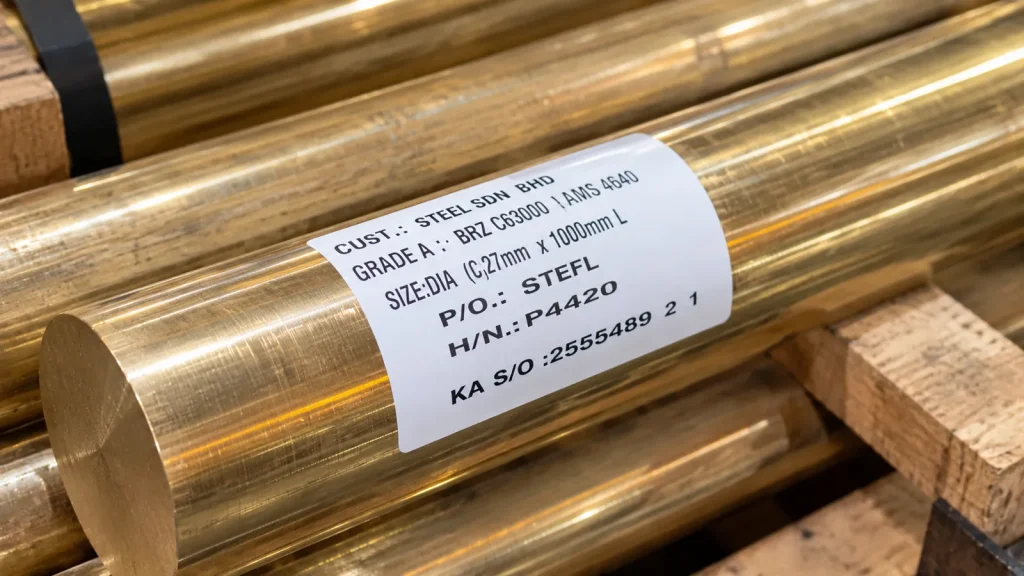
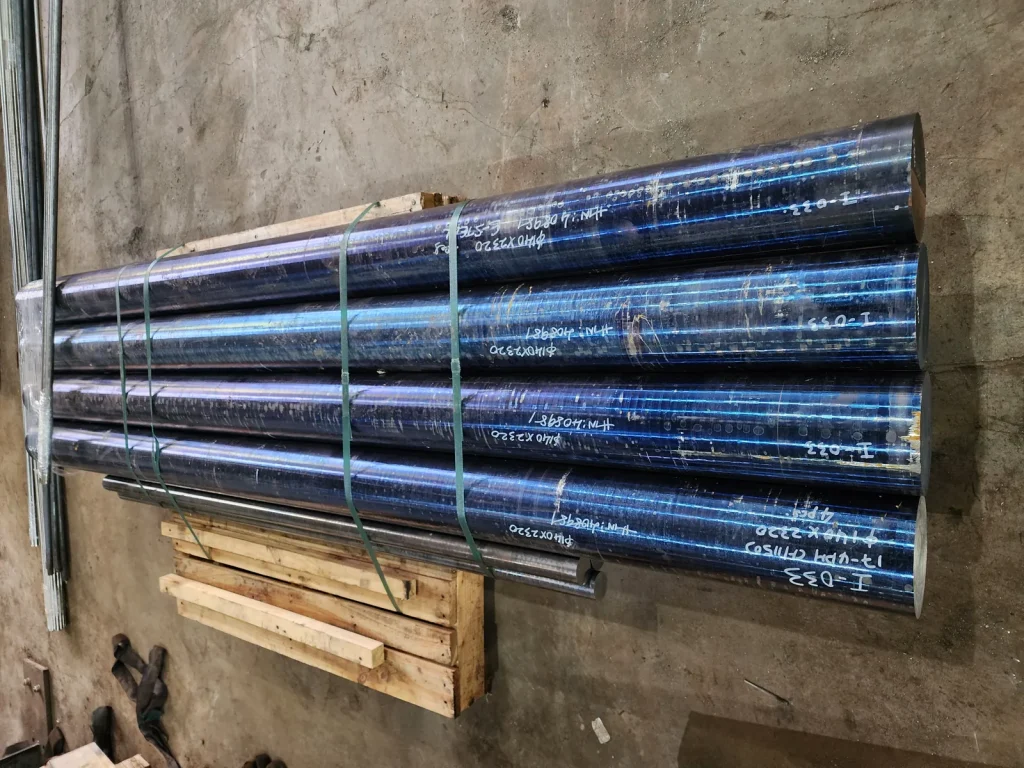
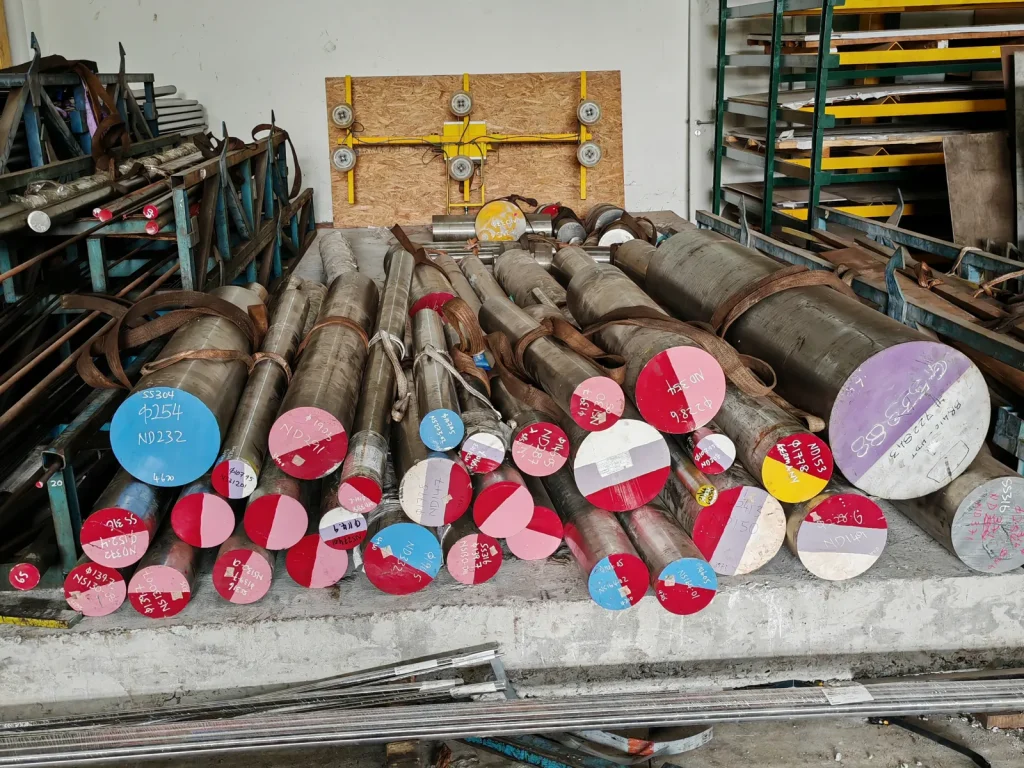
No MOQ, shipped globally from Malaysia. Send us the size and we will cut it.