
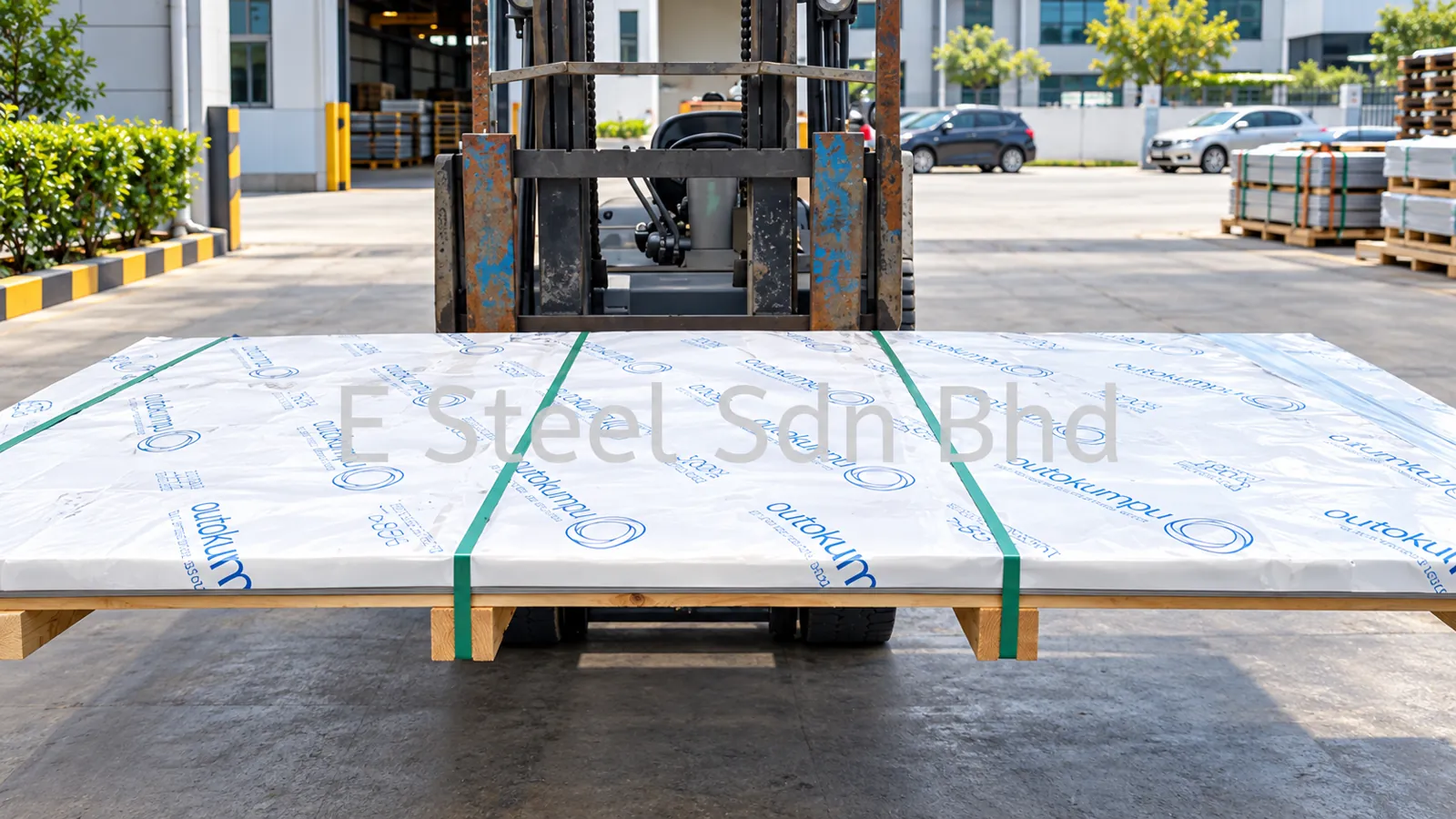
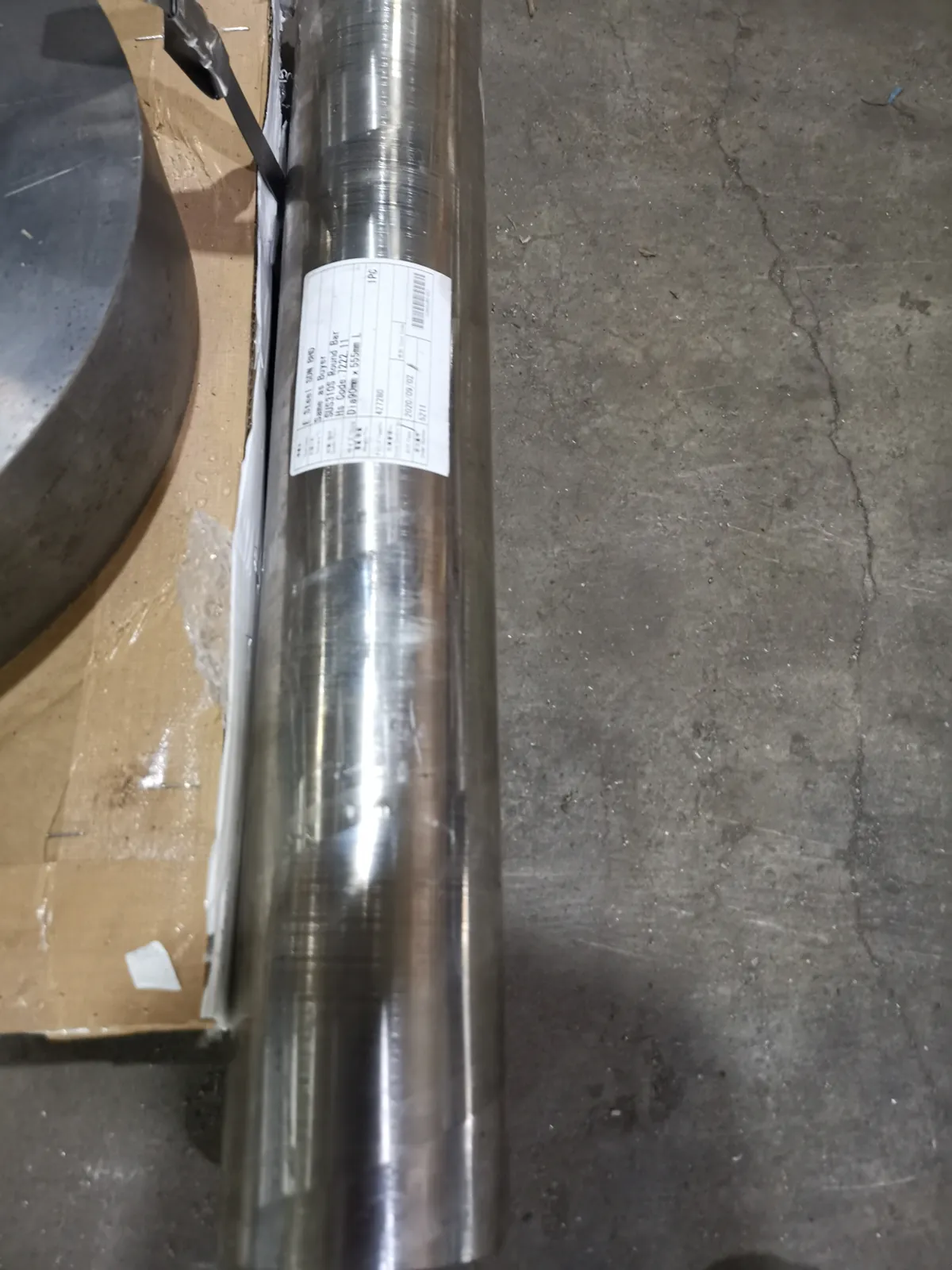
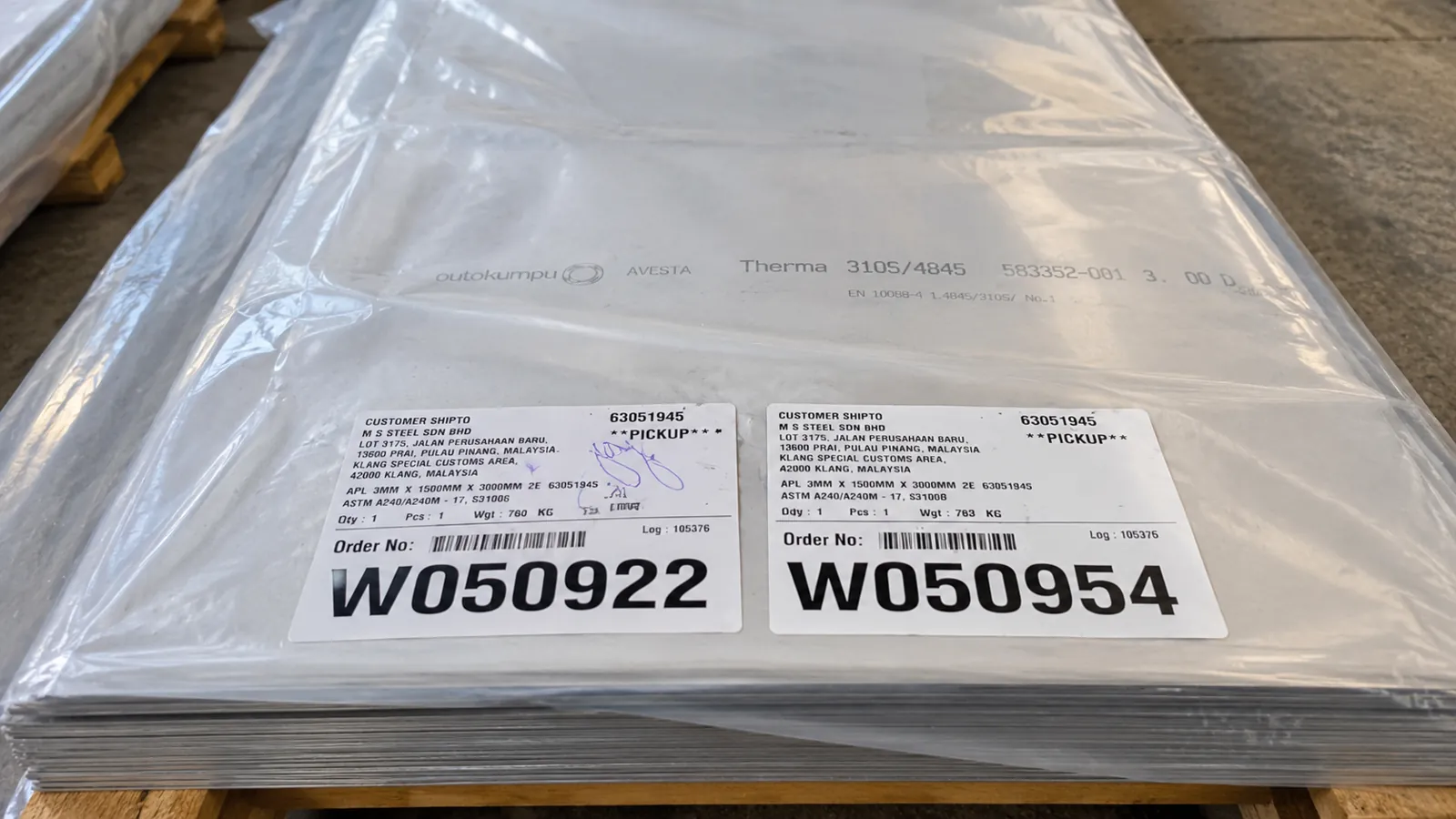
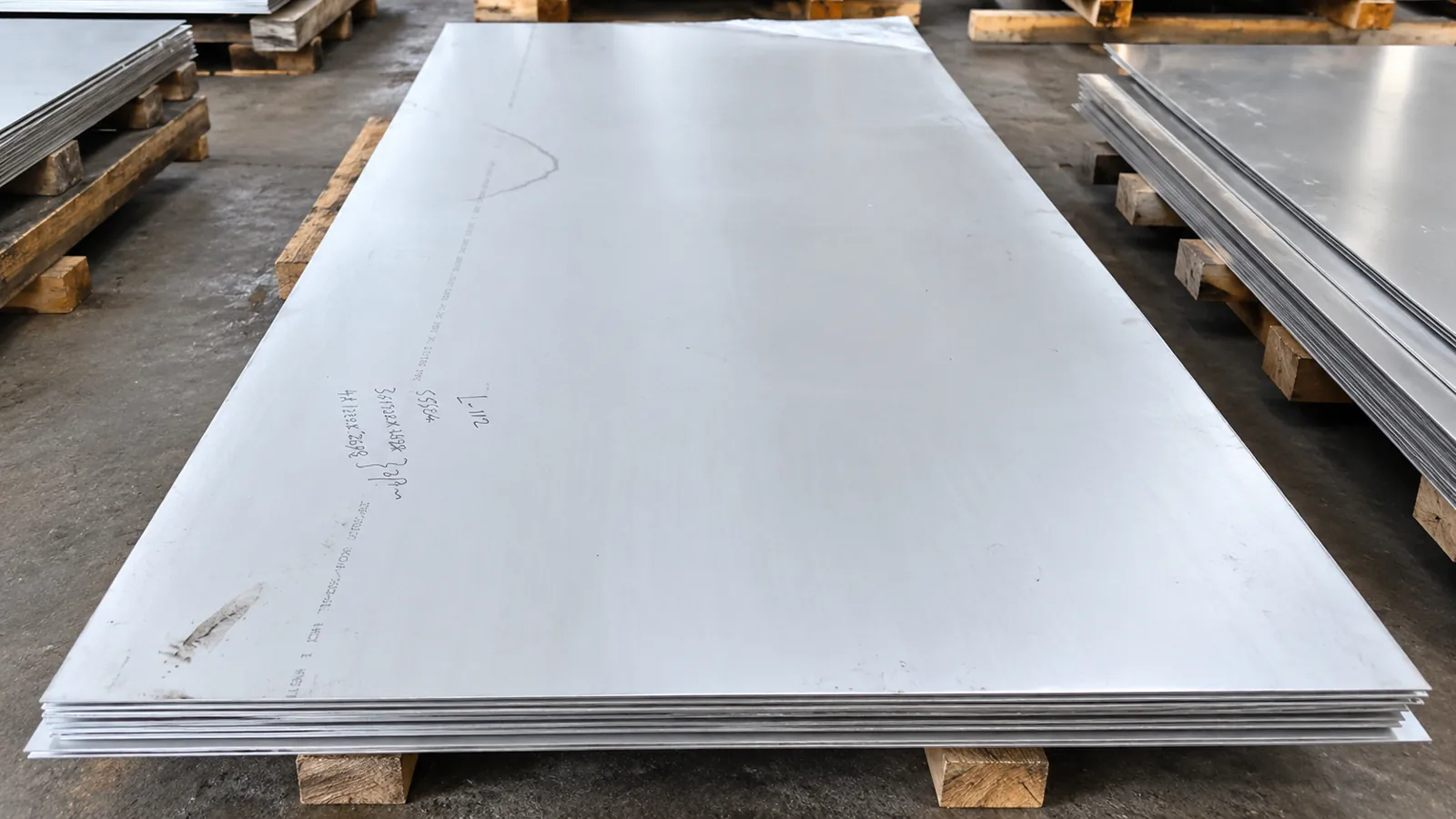
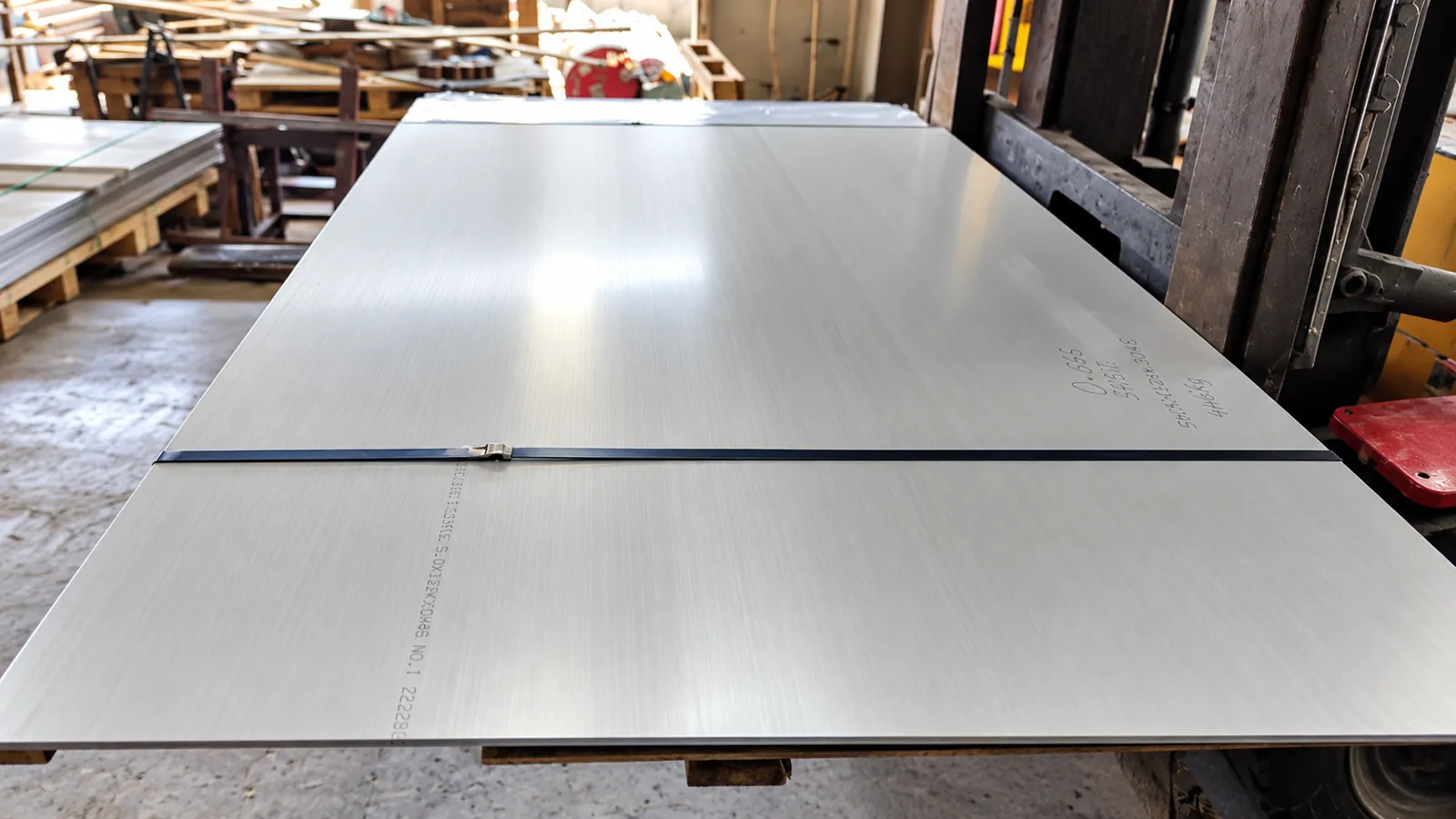
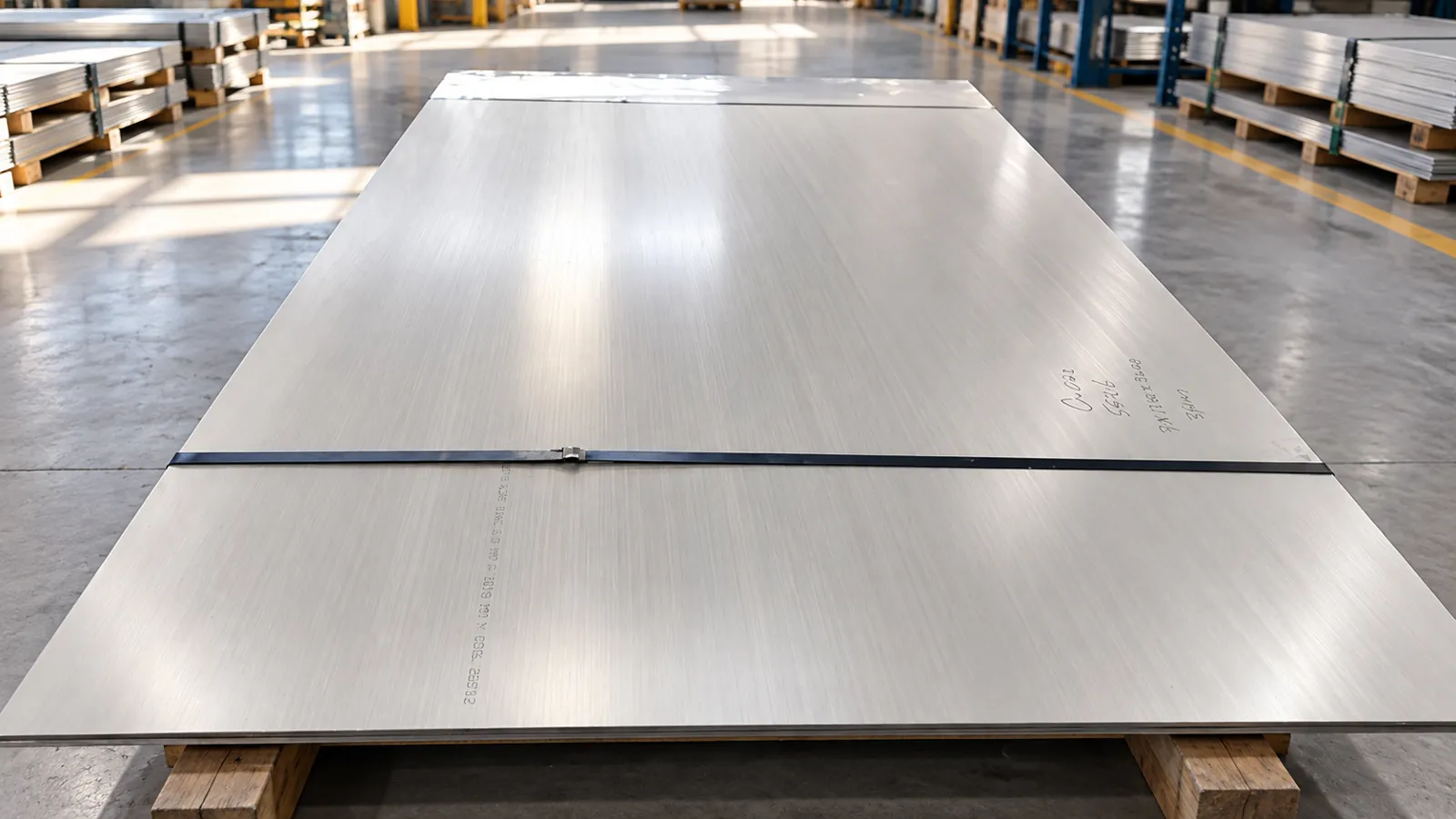
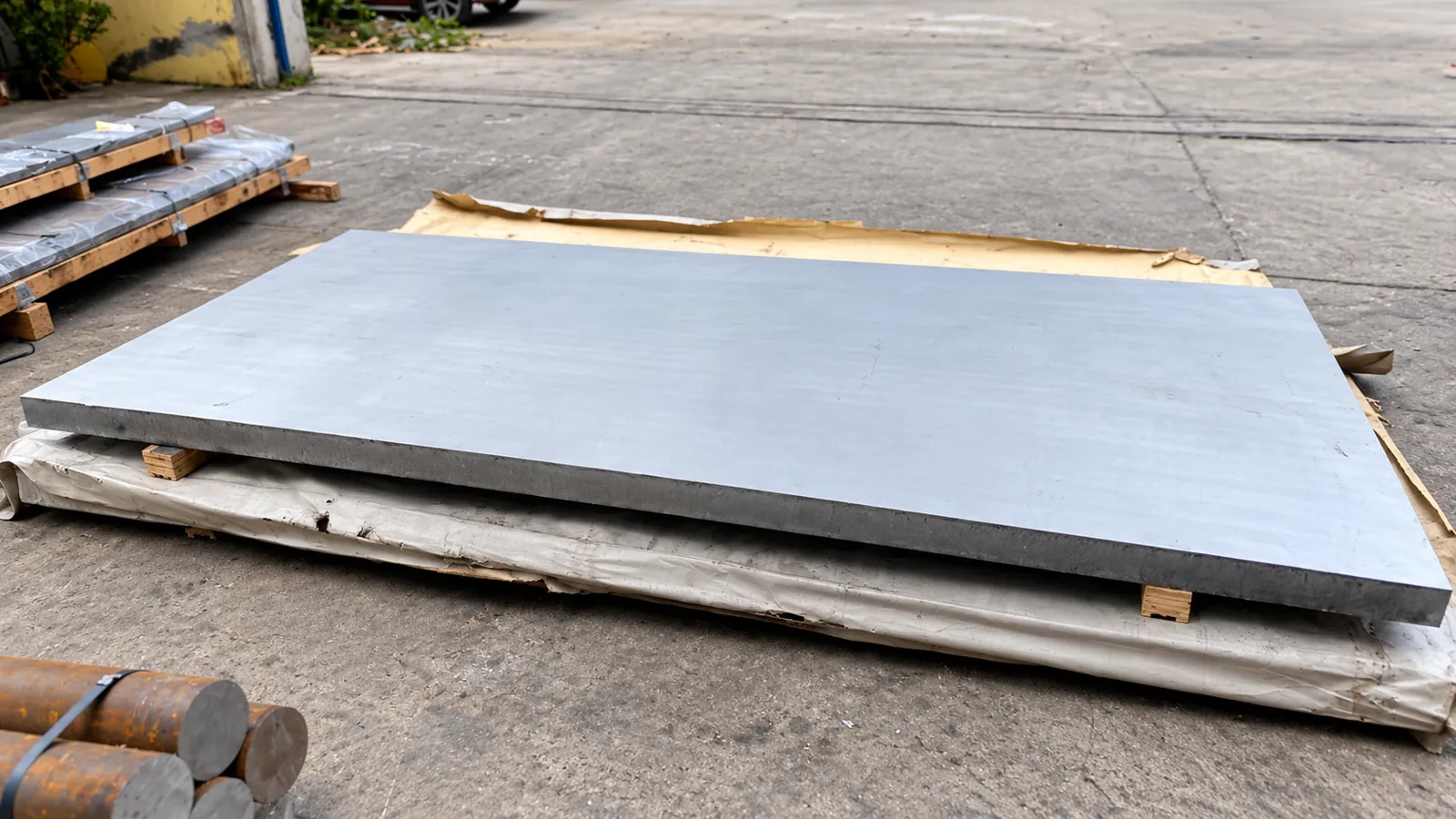
Heat-resistant stainless steel grades 253MA, 309, 310 / 310S, 316Ti, 321 and 347 in plate, sheet and bar. Cut to size with no MOQ, shipped globally from Malaysia.
High-temperature stainless steels keep their strength and resist oxidation and scaling in furnaces, boilers, heat exchangers and exhaust systems. E STEEL SDN BHD holds the heat-resistant austenitic grades listed below, cut to size on our bandsaw machines with no minimum order quantity.
253ma, UNS S30815, 1.4835, SUS310, SUS310S
253MA is a grade combining excellent service properties at high temperatures with ease of fabrication. It resists oxidation at temperatures up to 1150°C and can provide
superior service to Grade 310 in carbon, nitrogen and sulphur containing atmospheres.
253MA® is a trademark owned by Outokumpu Stainless AB. The standard grade designation covering this grade is UNS S30815. Other mills produce grades compliant with UNS S30815,including Sirius S15®. 253 MA contains a fairly low nickel content,
which gives it some advantage in reducing sulphide atmospheres when compared to high
nickel alloys and SS310. The inclusion of high chromium, silicon, nitrogen and cerium contents gives the steel good oxide stability, high elevated temperature (creep) strength and excellent resistance to sigma phase precipitation. The austenitic structure gives this grade excellent toughness, even down to cryogenic temperatures.
| C | Mn | Si | P | S | Cr | Ni | N | Ce | |
|---|---|---|---|---|---|---|---|---|---|
| min. | 0.05 | – | 1.10 | – | – | 20.0 | 10.0 | 0.14 | 0.03 |
| max. | 0.10 | 0.80 | 2.00 | 0.040 | 0.030 | 22.0 | 12.0 | 0.20 | 0.08 |
| Tensile Str (MPa) min | Yield Str 0.2% Proof (MPa) min | Elongation (% in 50mm) min | Hardness | |
|---|---|---|---|---|
| Rockwell B (HR B) max | Brinell (HB) max | |||
| 600 | 310 | 40 | 95 | 217 |
Although not designed for aqueous corrosion resistance, the high chromium and nitrogen
contents give the grade a pitting resistance approximating that of SUS316. 253MA does
however have a high carbon content so is highly susceptible to sensitisation; this is likely
to reduce aqueous corrosion resistance after high temperature service or fabrication.
Consult Atlas Technical Assistance for specific environmental recommendations.
Oxidation – excellent resistance to air, at temperatures up to 1100°C. At high temperatures the steel quickly forms a thin, highly adherent and elastic oxide. This oxide gives good protection even under cyclic conditions, much better than is the case for SUS310. Best resistance is under noncycling conditions. Carburisation – Under oxidising conditions this
grade can perform well, but alloys with higher nickel content are preferred if the atmosphere is reducing. Sulphidation – good resistance to sulphurbearing gases in an oxidising atmosphere, even if only traces of oxygen are present. Reducing gases prevent the protective oxide forming. 253MA has high strength at elevated temperatures so is often used for structural and pressure-containing applications at temperatures above about 500°C and up to about 900°C. 253 MA will become sensitised in the temperature range of 425-860°C; this is not a problem for high temperature applications, but will result in reduced aqueous corrosion resistance.
Heat to 1050-1150°C and cool rapidly. It is recommended that the material be solution
treated after 10-20% cold work to achieve maximum creep strength in service. This grade cannot be hardened by thermal treatment.
Excellent weldability by all standard fusion methods. AS 1554.6 pre-qualifies welding of
S30815 with matching Grade 22.12HT rods or electrodes. SUS309 fillers can be used if lower creep strength can be tolerated. Pure argon shielding gas should be used.
Furnace components including burners, retorts, conveyor belts, fans, jigs and baskets, rollers,walking beams, radiant tubes, electric heaterelements, refractory anchors, hoods, flues,grates, expansion bellows. Petrochemical and refinery tube hangers.
These properties are specified for flat rolled product (plate, sheet and coil) as Grade S30815 in ASTM A240/A240M. Similar but not necessarily identical properties are specified for S30815 in other products such as pipe and bar in their respective specifications, and for Grade 1.4835 in specifications such as EN 10095.
Stainless steel 309,UNS S30900, S30908, S30909,1.4833
SUS 309/309S (UNS S30900/S30908) austenitic stainless steel is typically used for elevated temperature applications. Its high chromium and nickel content provides comparable corrosion resistance, superior resistance to oxidation, and the retention of a larger fraction of room temperature strength than the common austenitic Alloy 304.
Alloy 309,309S,309H ,UNS S30900, S30908, S30909, 1.4833:
| Element | Content (%) |
|---|---|
| Iron, Fe | 60 |
| Chromium, Cr | 23 |
| Nickel, Ni | 14 |
| Manganese, Mn | 2 |
| Silicon, Si | 1 |
| Carbon, C | 0.20 |
| Phosphorous, P | 0.045 |
| Sulfur, S | 0.030 |
| Stainless stel 309 Properties | Metric | Imperial |
|---|---|---|
| Tensile strength | 620 MPa | 89900 psi |
| Yield strength (@ strain 0.200%) | 310 MPa | 45000 psi |
| Izod impact | 120 – 165 J | 88.5 – 122 ft-lb |
| Shear modulus (typical for steel) | 77 GPa | 11200 ksi |
| Elastic modulus | 200 GPa | 29008 ksi |
| Poisson’s ratio | 0.27-0.30 | 0.27-0.30 |
| Elongation at break (in 50 mm) | 45% | 45% |
| Hardness, Brinell | 147 | 147 |
| Hardness, Rockwell B | 85 | 85 |
| Hardness, Vickers (converted from Rockwell B hardness) | 169 | 169 |
Alloy 309 (UNS S30900) is an austenitic stainless steel developed for use in high temperature corrosion resistance applications. The alloy resists oxidation up to 1900°F (1038°C) under non-cyclic conditions. Frequent thermal cycling reduces oxidation resistance to approximately 1850°F (1010°C).
Because of its high chromium and low nickel content, SUS 309 can be utilized in sulfur containing atmospheres up to 1832°F (1000°C). The alloy is not recommended for use in highly carburizing atmospheres since it exhibits only moderate resistance to carbon absorption. Alloy 309 can be utilized in slightly oxidizing, nitriding, cementing and thermal cycling applications, albeit, the maximum service temperature must be reduced.
When heated between 1202 – 1742°F (650 – 950°C) the alloy is subject to sigma phase precipitation. A solution annealing treatment at 2012 – 2102°F (1100 – 1150°C) will restore a degree of toughness.
SUS309S (UNS S30908) is the low carbon version of the alloy. It is utilized for ease of fabrication. SUS309H (UNS S30909) is a high carbon modification developed for enhanced creep resistance. It most instances the grain size and carbon content of the plate can meet both the 309S and 309H requirements.
SUS 309 is not designed for service in wet corrosive environments. The high carbon content, which is present to enhance creep properties, has a detrimental effect on aqueous corrosion resistance. The alloy is prone to intergranular corrosion after long term exposure at high temperatures. However, due to its high chromium content (23%), Alloy 309 is more corrosion resistant than most heat resistant alloys.
Alloy 309 resists high temperature corrosion in most in-service conditions. Operating temperatures are as follows:
Oxidizing conditions (max. sulfur content – 2 g/m3) 1922°F (1050°C) continuous service 2012°F (1100°C) peak temperature
Oxidizing conditions (max. sulfur greater than 2 g/m3) 1742°F (950°C) maximum temperature
Low oxygen atmosphere (max. sulfur content – 2 g/m3) 1832°F (1000°C) maximum temperature
Nitriding or carburizing atmospheres 1562 –1742°F (850 – 950°C) maximum
The alloy does not perform as well as Alloy 600 (UNS N06600) or Alloy 800 (UNS N08800) in reducing, nitriding or carburizing atmospheres, but it does outperform most heat resistant stainless steels in these conditions.
Type 310 forms a tenacious scale at high temperature and is resistant to spalling and performs better than Type 309 in thermal cycling applications. Type 310 has good sulfidation resistance and good resistance to carburization in moderately carburizing atmospheres.
Stainless Steel 310 vs 310S: Specifications, Properties, and High-Temperature Applications
Discover Stainless Steel 310 and 310S: Specifications, properties, and high-temperature applications. E STEEL SDN BHD supplies cut-to-size grades globally with no MOQ—ideal for furnaces, petrochemical, and aerospace industries. Request a quote now!”
ss 310 is a medium carbon austenitic stainless steel, for high temperature applications such as furnace parts and heat treatment equipment. It is used at temperatures up to 1150°C in continuous service, and 1035°C in intermittent service.
SuS310, combining excellent high temperature properties with good ductility and weldability, is designed for high temperature service. It resists oxidation in continuous service at temperatures up to 1150°C provided reducing sulphur gases are not present. It is also used for intermittent service at temperatures up to 1040°C.
SUS310S (UNS S31008) is used when the application environment involves moist corrodents in a temperature range lower than that which is normally considered “high temperature” service. The lower carbon content of 310S does reduce its high temperature strength compared to SUS310.
Like other austenitic grades these have excellent toughness, even down to cryogenic temperatures, although other grades are normally used in this environment.
| Grade | Key Feature |
|---|---|
| 310 | High carbon for intermittent high-temperature use |
| 310S | Low carbon for continuous high-temperature stability |
| Element | 310 | 310S |
|---|---|---|
| Chromium (Cr) | 24–26% | 24–26% |
| Nickel (Ni) | 19–22% | 19–22% |
| Carbon (C) | 0.25% max | 0.08% max |
| Manganese (Mn) | ≤2.0% | ≤2.0% |
| Silicon (Si) | ≤1.5% | ≤1.5% |
Key Insight:
| Property | 310 | 310S |
|---|---|---|
| Tensile Strength | 515–720 MPa | 515–720 MPa |
| Yield Strength | 205 MPa (min) | 205 MPa (min) |
| Elongation | 40% (min) | 40% (min) |
| Max Service Temp | 1035°C (intermittent) | 1150°C (continuous) |
| Hardness (Brinell) | 217 HB | 217 HB |
| Standard | 310 | 310S |
|---|---|---|
| UNS | S31000 | S31008 |
| EN | 1.4845 | 1.4841 |
| JIS | SUS310 | SUS310S |
| ASTM | A240 | A240 |
| Industry | 310 Applications | 310S Applications |
|---|---|---|
| Heat Treatment | Furnace trays, radiant tubes | Continuous kiln linings, burners |
| Petrochemical | Crackers, reformer tubes | Reactors, catalyst grids |
| Power Generation | Boiler components | Heat exchangers, superheaters |
| Glass Manufacturing | Molds, annealing lehrs | Molten glass handling equipment |
| Aerospace | Afterburner components | Exhaust systems |
| Factor | 310 | 310S |
|---|---|---|
| Carbon Content | ≤0.25% | ≤0.08% |
| Max Temperature | 1035°C (intermittent) | 1150°C (continuous) |
| Weldability | Requires post-HT | No post-HT needed |
| Best For | Cyclic heating | Continuous high heat |
Alternative grades to aisi 310 stainless steels are given .
| Grade | Why it might be chosen instead of SS310 |
|---|---|
| 3CR12 | Heat resistance is needed, but only to about 600°C. |
| SS304H | Heat resistance is needed, but only to about 800°C. |
| SS321 | Heat resistance is needed, but only to about 900°C. Subsequent aqueous corrosion resistance also required. |
| 253MA (2111HTR) | A slightly higher temperature resistance is needed than can be provided by 310. Better resistance to reducing sulphide atmosphere needed. Higher immunity from sigma phase embrittlement is required. |
1) 310 stainless steel has a higher chromium content (24-26%) vs 304 (10-20%), and nickel content(19-22%) vs 304 (8-10.5%).
2) 304 stainless steel is going to be pretty ductile, and 310 is a bit harder.
3) Stainless steel 310 has greater hardenability, wear and corrosion resistance than Stainless steel 304.
Tech-Rod® 310 electrodes are used for welding stainless steels of similar composition in cast and wrought forms. The weld deposit is fully austenitic, and as such, calls for minimal heat input during welding.
Common heat-resistant stainless steel is generally divided into three kinds, 309S, 310S and 253MA, heat-resistant steel is often used in the manufacture of boilers, steam turbines, industrial furnaces and aviation, petrochemical and other industrial sectors in the high temperature working parts.309s: (OCr23Ni13) stainless steel plateCharacteristics: It can withstand repeated heating below 980 ℃, with high high temperature strength, oxidation resistance and carburizing resistance.
Characteristics: High chromium-nickel austenitic stainless steel with good high temperature mechanical properties and good corrosion resistance in oxidizing media. Suitable for the production of various furnace components, the highest temperature 1200 ℃, continuous use temperature 1150 ℃.
Characteristics: 253MA is a heat-resistant Austenitic stainless steel designed for applications requiring high creep strength and good corrosion resistance. Its operating temperature range is 850-1100 ℃.
Explore Stainless Steel 316Ti: chemical composition, mechanical properties, global equivalents, and high-temperature applications. Precision bandsaw-cut steel with no MOQ. ISO-certified, shipped globally.
SS 316Ti equivalent, UNS S31635, DIN : X6CrNiMoTi17-12-2, 1.4571
Stainless Steel 316Ti is a titanium-stabilized austenitic grade designed for high-temperature applications. It combines the corrosion resistance of 316 with added titanium to prevent carbide precipitation during welding or prolonged heat exposure. Ideal for chemical processing, aerospace, and power generation.
| Element | SS 316Ti Composition |
|---|---|
| Chromium (Cr) | 16–18% |
| Nickel (Ni) | 10–14% |
| Molybdenum (Mo) | 2–3% |
| Titanium (Ti) | 5×C% min (stabilizes carbides) |
| Carbon (C) | ≤0.08% |
Key Insight: Titanium binds with carbon, preventing chromium carbide formation and maintaining corrosion resistance at high temps.
| Property | SS 316Ti (Annealed) |
|---|---|
| Tensile Strength | 515–690 MPa |
| Yield Strength | 205–310 MPa |
| Elongation (%) | 40 |
| Hardness (HB) | 150–220 |
| Max Service Temp | 800–900°C (intermittent) |
| Standard | Equivalent Grade |
|---|---|
| UNS | S31635 |
| EN (EU) | 1.4571 (X6CrNiMoTi17-12-2) |
| JIS (Japan) | SUS 316Ti |
| GB (China) | 06Cr17Ni12Mo2Ti |
| ISO | X6CrNiMoTi17-12-2 |
SS 316Ti excels in high-temperature and corrosive environments:
| Factor | 316Ti | 316/316L |
|---|---|---|
| Heat Resistance | Superior (titanium stabilization) | Limited to 600°C |
| Weldability | Excellent (no post-weld annealing) | Requires care (316L better) |
| Cost | Higher | Lower |
Stainless Steel 316Ti is referred to as the stabilized grade of the 316 types, and also one of the two 316 stainless steels that is recommended for higher temperature situations. This grade contains a small amount—typically only 0.5%—of titanium. While it still possesses many of the characteristics of other 316 grades, the addition of titanium allows 316Ti to be protected from precipitation at elevated temperatures, even with prolonged exposure.
316Ti stainless steel is designed to perform well in high-temperature applications, thanks to the addition of titanium, which stabilizes the microstructure and prevents carbide precipitation. The inclusion of titanium in 316Ti, typically around 0.5% to 0.7%, significantly improves its high-temperature performance, allowing it to withstand temperatures between 550°C and 800°C (1022°F to 1472°F) while maintaining its corrosion resistance. Titanium prevents the formation of chromium carbides, avoiding intergranular corrosion even after prolonged high-temperature exposure.
316L is widely used in marine hardware like bolts and fasteners due to its resistance to pitting and crevice corrosion. 316Ti is used in marine environments, especially for components exposed to higher temperatures, offering extra protection against corrosion.
321 stainless steel, SUS321, UNS S32100, 1.4541, SS321
| What is SS 321 material? |
|---|
| SUS321 and SUS347 are the basic austenitic 18/8 steel (SUS 304) stabilised by Titanium (SUS321) or Niobium (SUS347) additions. These grades are used because they are not sensitive to intergranular corrosion after heating within the carbide precipitation range of 425-850°C. Grade 321 is the grade of choice for applications in the temperature range of up to about 900°C, combining high strength, resistance to scaling and phase stability with resistance to subsequent aqueous corrosion. SUS321H is a modification of SUS321 with a higher carbon content, to provide improved high temperature strength. A limitation with SUS321 is that titanium does not transfer well across a high temperature arc, so is not recommended as a welding consumable. In this case grade SUS347 is preferred – the niobium performs the same carbide stabilisation task but can be transferred across a welding arc. SUS 347 is therefore the standard consumable for welding SUS 321. Grade 347 is only occasionally used as parent plate material. Like other austenitic grades, SS321 and SS347 have excellent forming and welding characteristics, are readily brake or roll formed and have outstanding welding characteristics. Post-weld annealing is not required. They also have excellent toughness, even down to cryogenic temperatures. SUS321 does not polish well, so is not recommended for decorative applications. SUS304L is more readily available in most product forms, and so is generally used in preference to SUS321 if the requirement is simply for resistance to intergranular corrosion after welding. However SUS304L has lower hot strength than SUS321 and so is not the best choice if the requirement is resistance to an operating environment over about 500°C. |
| Grade | C | Mn | Si | P | S | Cr | Mo | Ni | N | Other | |
|---|---|---|---|---|---|---|---|---|---|---|---|
| SUS321 | min. max | – 0.08 | 2.00 | 0.75 | 0.045 | 0.030 | 17.0 19.0 | – | 9.0 12.0 | 0.10 | Ti=5(C+N) 0.70 |
| SUS321H | min. max | 0.04 0.10 | 2.00 | 0.75 | 0.045 | 0.030 | 17.0 19.0 | – | 9.0 12.0 | – | Ti=4(C+N) 0.70 |
| SUS347 | min. max | 0.08 | 2.00 | 0.75 | 0.045 | 0.030 | 17.0 19.0 | – | 9.0 13.0 | – | Nb=10(C+N) 1.0 |
| Grade | Tensile Strength (MPa) min | Yield Strength 0.2% Proof (MPa) min | Elongation (% in 50mm) min | Hardness | |
|---|---|---|---|---|---|
| Rockwell B (HR B) max | Brinell (HB) max | ||||
| SUS 321 | 515 | 205 | 40 | 95 | 217 |
| SUS 321H | 515 | 205 | 40 | 95 | 217 |
| SUS 347 | 515 | 205 | 40 | 92 | 201 |
SUS 321H also has a requirement for a grain size of ASTM No 7 or coarser.
| Grade | Density (kg/m3) | Elastic Modulus (GPa) | Mean Coefficient of Thermal Expansion (mm/m/°C) | Thermal Conductivity (W/m.K) | Specific Heat 0-100°C (J/kg.K) | Electrical Resistivity (nW.m) | |||
|---|---|---|---|---|---|---|---|---|---|
| 0-100°C | 0-315°C | 0-538°C | at 100°C | at 500°C | |||||
| SUS321 | 8027 | 193 | 16.6 | 17.2 | 18.6 | 16.1 | 22.2 | 500 | 720 |
| Grade | UNS No | Old British | Euronorm | Swedish SS | Japanese JIS | ||
|---|---|---|---|---|---|---|---|
| BS | En | No | Name | ||||
| SS 321 | S32100 | 321S31 | 58B, 58C | 1.4541 | X6CrNiTi18-10 | 2337 | SUS 321 |
| SS 321H | S32109 | 321S51 | – | 1.4878 | X10CrNiTi18-10 | – | SUS 321H |
| SS 347 | S34700 | 347S31 | 58G | 1.4550 | X6CrNiNb18-10 | 2338 | SUS 347 |
These comparisons are approximate only. The list is intended as a comparison of functionally similar materials not as a schedule of contractual equivalents. If exact equivalents are needed original specifications must be consulted.
Equivalent to Grade SUS304 in the annealed condition, and superior if a weldment in these grades has not been post-weld annealed or if the application involves service in the 425-900°C range. Subject to pitting and crevice corrosion in warm chloride environments, and to stress corrosion cracking above about 60°C. Considered resistant to potable water with up to about 200mg/L chlorides at ambient temperatures, reducing to about 150mg/L at 60°C.
Good oxidation resistance in intermittent service to 900°C and in continuous service to 925°C. These grades perform well in the 425-900°C range, and particularly where subsequent aqueous corrosive conditions are present. SUS321H has higher hot strength, and is particularly suitable for high temperature structural applications.
Solution Treatment (Annealing) – heat to 950-1120°C and cool rapidly for maximum corrosion resistance.
Stabilising – heat to 870-900°C for 1 hour per 25mm of thickness and air cool. Stabilisation is recommended for most severe service conditions (above 425°C) and particularly for material annealed at the upper side of the annealing temperature range.
Stress Relief – Heat to 700°C for 1 to 2 hours and air cool.
These grades cannot be hardened by thermal treatment.
Excellent weldability by all standard fusion methods, both with and without filler metals. AS 1554.6 pre-qualifies welding of SS321 and SS347 with Grade SS347 rods or electrodes; high silicon version of SS347 is also pre-qualified for welding of SS321.
Upgrade to the best stainless steel for high-heat and corrosive environments today! Order Stainless Steel 347 now and ensure top-notch performance in your critical applications. Contact us for a free quote or explore our wide range of 347 sheets, bars, and tubes. [Call Now: +60163283359] or [Visit Our Website] to get started!
SS 347 stainless steel is a columbium/tantalum stabilized austenitic chromium-nickel stainless steel. This material is stabilized against chromium carbide formation by the addition of columbium and tantalum. Since these elements have a stronger affinity for carbon than chromium, columbium-tantalum carbides precipitate within the grains instead of forming at the grain boundaries. SUS 347 should be considered for applications requiring intermittent heating between 800ºF (427ºC) and 1650ºF (899ºC) or for welding under conditions which prevent a post-weld anneal. SS347 is non-magnetic.
| Element | |
|---|---|
| Carbon | 0.08 |
| Chromium | 17.0-19.0 |
| Nickel | 9.0-13.0 |
| Manganese | 2.00 |
| Silicon | 0.75 |
| Phosphorus | 0.045 |
| Sulfur | 0.030 |
| Niobium | 10 x C min / 1.00 max |
* Maximum, unless range is indicated
347 stainless steel Mechanical Properties Mechanical property requirements for annealed product as specified in ASTM A240 and ASME SA240.
| Property | |
|---|---|
| Yield Strength, min. (ksi) | 30 |
| Tensile Strength, min. (ksi) | 75 |
| Elongation, min. (%) | 40 |
| Hardness, max. (Rb) | 92 |
Alloy 347 stainless steel plate exhibits good general corrosion resistance that is comparable to SUS304. It was developed for use in the chromium carbide precipitation range of 800 – 1500°F (427 – 816°C) where un-stabilized alloys such as SUS304 are subject to intergranular attack. In this temperature range, the overall corrosion resistance of Alloy 347 stainless steel plate is superior to Alloy 321 stainless steel plate. Alloy 347 also performs somewhat better than Alloy 321 in strongly oxidizing environments up to 1500°F (816°C).
The alloy can be used in nitric solutions, most diluted organic acids at moderate temperatures and in pure phosphoric acid at lower temperatures and up to 10% diluted solutions at elevated temperatures. Alloy 347 stainless steel plate resists polythionic acid stress corrosion cracking in hydrocarbon service. It can also be utilized in chloride or fluoride free caustic solutions at moderate temperatures.
Alloy 347 stainless steel plate does not perform well in chloride solutions, even in small concentrations, or in sulfuric acid.
In this temperature range, the overall corrosion resistance of Alloy 347 stainless steel plate is superior to Alloy 321 stainless steel plate. Alloy 347 also performs somewhat better than Alloy 321 in strongly oxidizing environments up to 1500°F (816°C).
Bandsaw technology ensures minimal kerf loss and clean, burr-free edges.
Cut to the size your job needs. No minimum order quantity.
Mill test reports (MTRs) for traceability.
Fast air and sea shipping with real-time tracking.
Yes – its corrosion resistance matches 316, with added high-temp stability.
Non-magnetic in annealed condition (austenitic structure).
Chemical, aerospace, and power generation due to heat resistance.
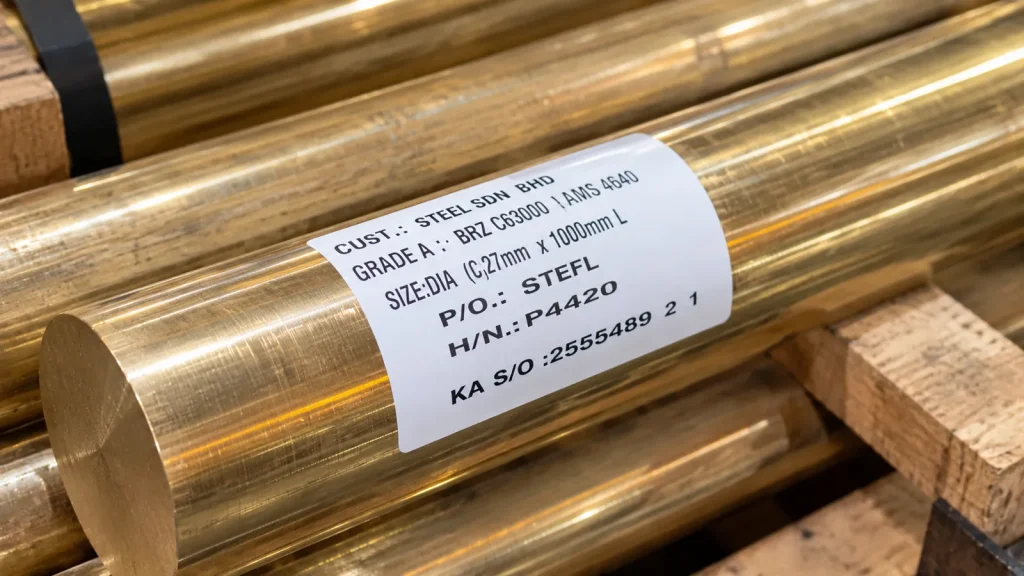
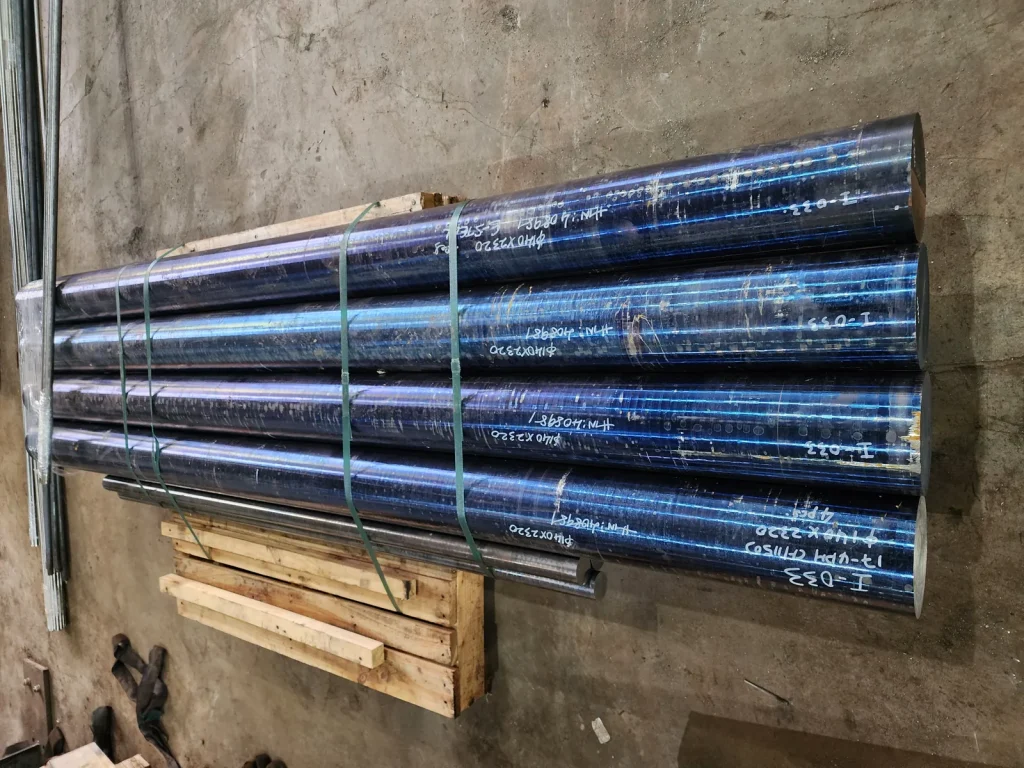
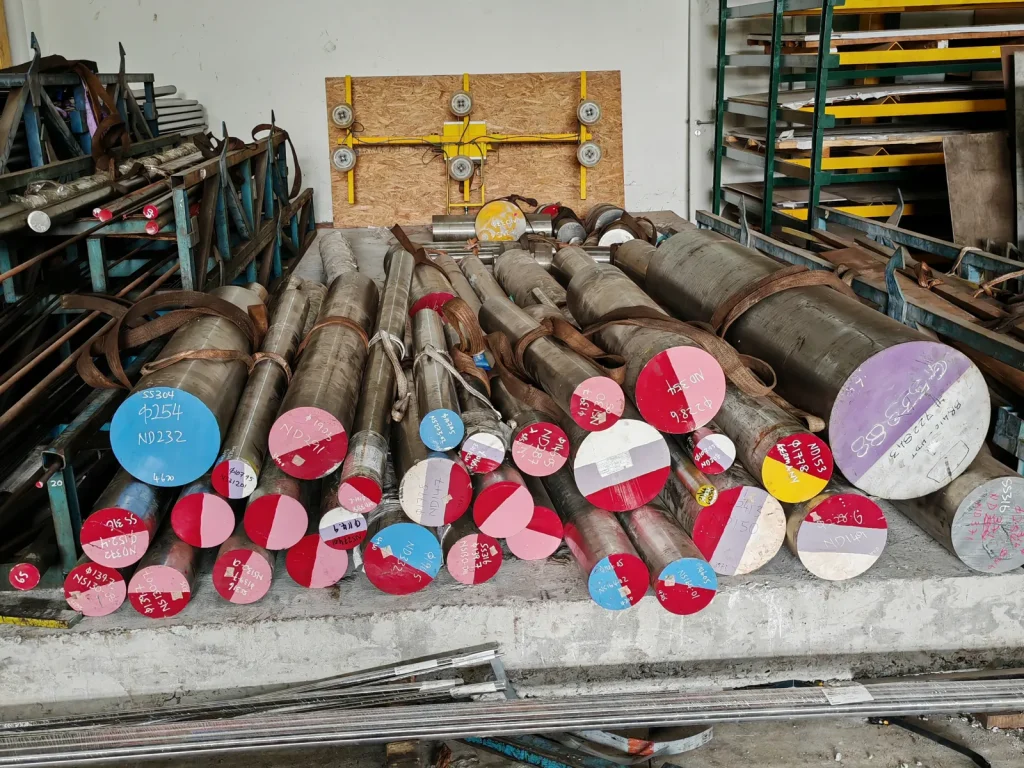
No MOQ, shipped globally from Malaysia. Send us the size and we will cut it.