E STEEL SDN BHD slogan “Right Metal, Right Specifications to Right Application”
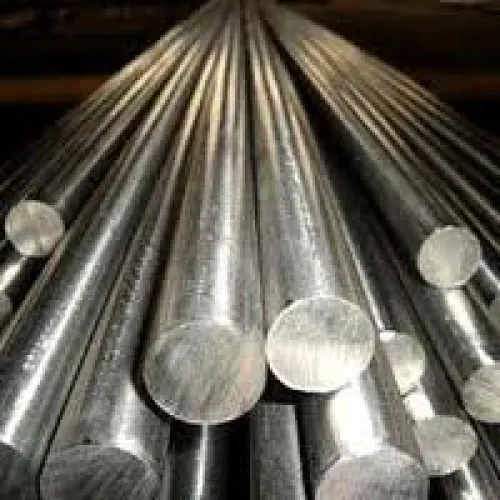
Steel is the most widely used metal in the world. It is known for its strength, durability, and versatility. Different steels are used in various applications, specifically in the manufacturing industry. Two of the most popular steels are 4340 and 4140. This blog will discuss the differences between 4340 steel and 4140 steel, their properties, and their applications.
Introduction
In industries where strength, toughness, and fatigue resistance are non-negotiable—such as aerospace, oil and gas, and heavy machinery—alloy steels like 4340 and 4140 are go-to materials. Both are chromium-molybdenum steels, but their nuanced differences in composition, heat treatment, and performance make them suited for distinct applications.
This specialty blog, presented by E STEEL SDN BHD, breaks down the critical differences between 4340 and 4140 steel, empowering engineers and procurement teams to make informed decisions for high-stress projects.
1. Chemical Composition: The Core Divide
| Element | 4140 Steel | 4340 Steel |
|---|---|---|
| Chromium (Cr) | 0.80–1.10% | 0.70–0.90% |
| Molybdenum (Mo) | 0.15–0.25% | 0.20–0.30% |
| Nickel (Ni) | None | 1.65–2.00% (Key addition) |
| Carbon (C) | 0.38–0.43% | 0.38–0.43% |
| Manganese (Mn) | 0.75–1.00% | 0.60–0.80% |
Key Insight
- 4340 contains nickel, enhancing toughness and impact resistance, especially in low-temperature or high-stress environments.
- 4140 is more economical but lacks nickel’s performance benefits.
2. Mechanical Properties
| Property | 4140 Steel | 4340 Steel |
|---|---|---|
| Tensile Strength | 950–1000 MPa (as quenched) | 1000–1170 MPa (as quenched) |
| Yield Strength | 650–700 MPa | 780–860 MPa |
| Elongation | 15–20% | 12–15% |
| Impact Toughness | 40–50 J (at 20°C) | 50–70 J (at -40°C) |
| Hardness (HRC) | 28–32 (as quenched) | 32–36 (as quenched) |
Why It Matters
- 4340 offers superior fatigue strength and low-temperature toughness, making it ideal for critical components like aircraft landing gear or drill collars.
- 4140 provides excellent strength-to-cost ratios for applications like hydraulic rods or gears.
3. Heat Treatment Response
- 4140: Typically oil-quenched and tempered at 400–600°C. Achieves hardness up to HRC 55 with surface treatments (e.g., carburizing).
- 4340: Responds better to heat treatment due to nickel content. Can be austenitized at higher temperatures (830–870°C) for deeper hardening. Often used in quenched and tempered (Q&T) or vacuum arc remelted (VAR) forms for aerospace.
4. Applications by Industry
| Industry | 4140 Steel Applications | 4340 Steel Applications |
|---|---|---|
| Aerospace | Engine mounts, brackets | Landing gear, turbine shafts |
| Oil & Gas | Valve bodies, pump components | Drill collars, downhole tools |
| Automotive | Axles, gears, suspension components | Racing crankshafts, high-stress bolts |
| Defense | Firearm receivers | Tank tracks, armored vehicle parts |
5. Machining & Fabrication
| Process | 4140 Steel | 4340 Steel |
|---|---|---|
| Machinability | Good (easier than 4340) | Fair (work-hardens, requires sharp tools) |
| Weldability | Moderate (preheat to 150–260°C) | Poor (high crack risk; post-weld heat treat) |
| Formability | Good (annealed state) | Limited (best forged or machined) |
Pro Tip: For 4340, use carbide tooling and low cutting speeds to manage its toughness.
6. Cost and Availability
- 4140: ~$3–5/kg (widely available, lower cost for general applications).
- 4340: ~$6–10/kg (premium pricing due to nickel; longer lead times for specialized forms).
Trade-Off: Use 4340 only where its performance justifies the cost, such as aerospace or extreme environments.
7. How to Choose: 4340 vs. 4140
Ask These Questions:
- Stress Levels: Will the part endure cyclic or impact loads? → 4340.
- Temperature: Operating below -20°C? → 4340 (better low-temp toughness).
- Budget: Cost-sensitive project with moderate stress? → 4140.
8. Why Source from E STEEL SDN BHD?
- Both Grades Available: Certified to ASTM A29, AMS 6414 (4340), and AMS 6381 (4140).
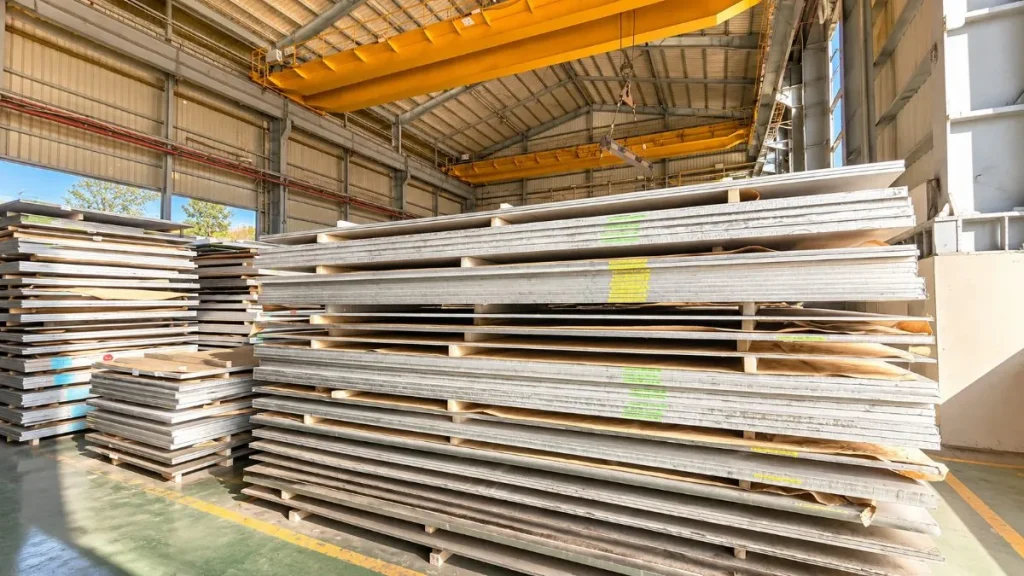
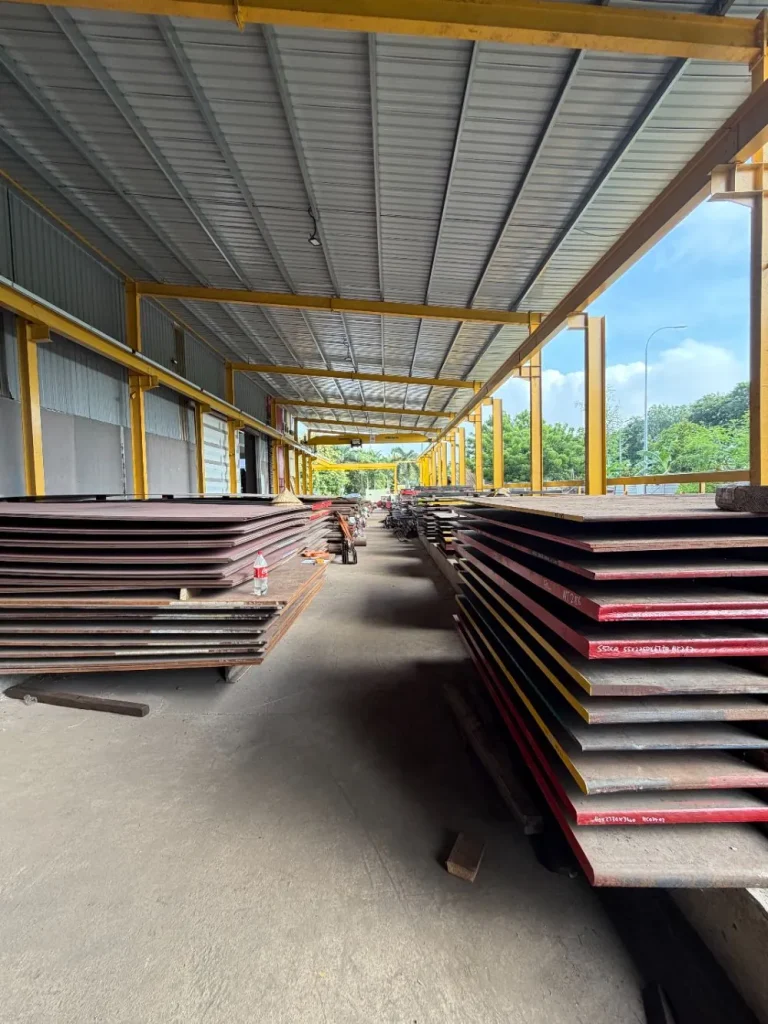
- Cut-to-Size Customization: No MOQ, precision machining for bars, plates, and forgings.
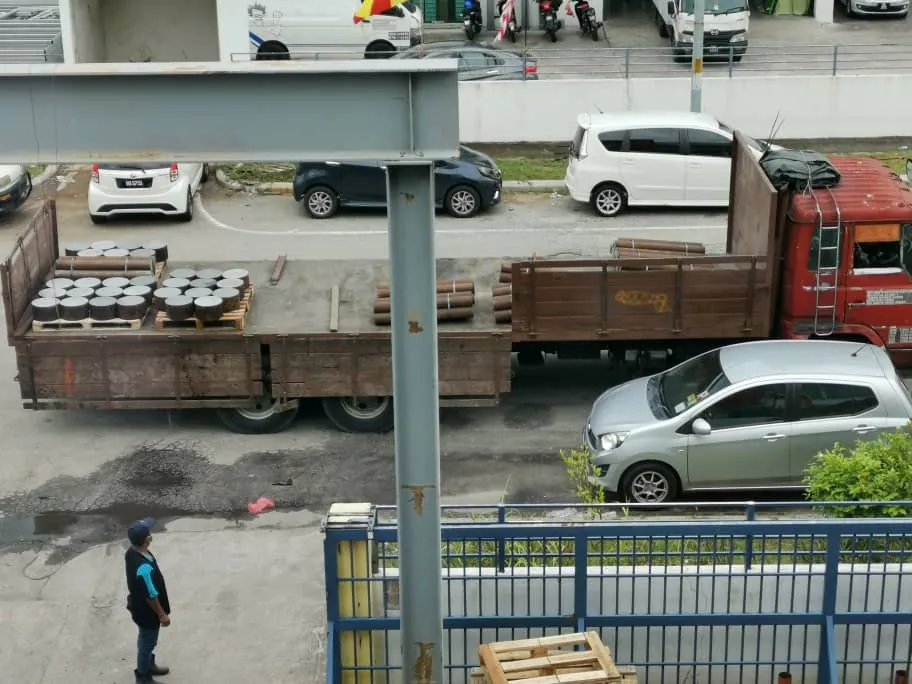
- Global Logistics: Fast shipping to aerospace, defense, and energy sectors.
Conclusion
4140 Steel is a versatile, cost-effective choice for general high-strength applications, while 4340 Steel excels in extreme conditions demanding unparalleled toughness and fatigue resistance. By aligning your project’s mechanical, thermal, and budgetary needs with the right alloy, you ensure durability and compliance.
Need Expert Guidance? Contact E STEEL SDN BHD for certified 4140/4340 steel, tailored to your specifications with no MOQ.