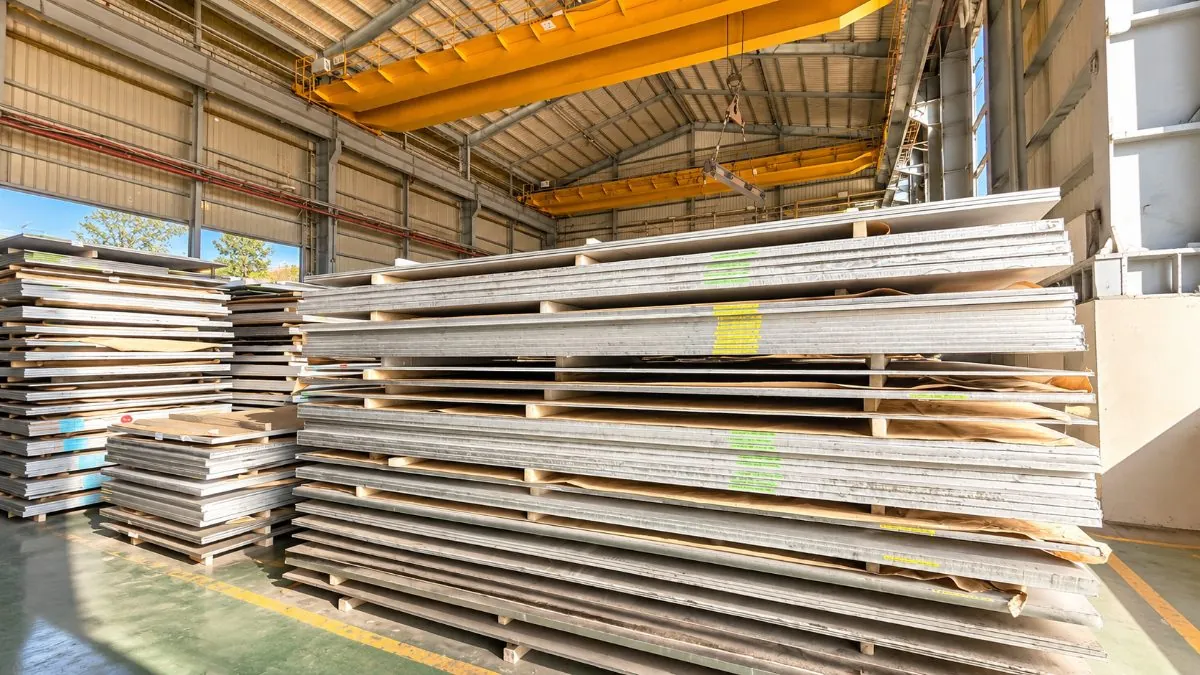
E STEEL SDN BHD slogan “Right Metal, Right Specifications to Right Application”
Stainless steel is a cornerstone of modern engineering, but selecting the right grade can make or break your project’s performance and longevity. Two of the most widely used austenitic stainless steels are 304L and 316L, both prized for their corrosion resistance and versatility. However, their differences in composition, cost, and application suitability are critical for engineers, fabricators, and procurement teams.
In this blog, E STEEL SDN BHD—a Malaysia-based global supplier of cut-to-size stainless steel with no MOQ—breaks down the distinctions between 304L and 316L to help you make an informed choice.
1. Composition: The Core Difference
| Element | 304L | 316L |
|---|---|---|
| Chromium (Cr) | 18–20% | 16–18% |
| Nickel (Ni) | 8–12% | 10–14% |
| Molybdenum (Mo) | None | 2–3% (Key addition) |
| Carbon (C) | ≤0.03% (Low carbon) | ≤0.03% (Low carbon) |
Why It Matters
- Molybdenum in 316L drastically improves resistance to chlorides and acidic environments (e.g., seawater, chemical plants).
- Lower chromium in 316L is offset by molybdenum’s protective benefits.
2. Mechanical Properties
| Property | 304L | 316L |
|---|---|---|
| Tensile Strength | 485–515 MPa | 485–620 MPa |
| Yield Strength | 170–310 MPa | 170–310 MPa |
| Elongation | 40–50% | 40–50% |
| Hardness (Brinell) | ~201 HB | ~217 HB |
Key Takeaway
Both grades offer similar mechanical performance, but 316L’s edge in harsh environments comes from its molybdenum content.
3. Corrosion Resistance
- 304L: Resists atmospheric corrosion, freshwater, and mild acids. Weakness: Prone to pitting/crevice corrosion in chloride-rich environments (e.g., coastal areas, de-icing salts).
- 316L: Superior resistance to chlorides, sulfuric acid, and brine. Ideal for marine, chemical processing, and pharmaceutical applications.
Rule of Thumb
Use 316L if your project faces:
- Saltwater exposure (ship components, offshore platforms).
- Chemical acids (processing tanks, pipelines).
- High-humidity coastal environments.
4. Applications by Industry
| Industry | 304L Applications | 316L Applications |
|---|---|---|
| Food & Beverage | Tanks, conveyors, utensils | Equipment in salty/acidic environments |
| Architecture | Railings, trim, roofing | Coastal structures, swimming pools |
| Pharmaceutical | Storage tanks, piping | Sterilization equipment, reactors |
| Marine | N/A | Boat fittings, offshore rigs |
| Chemical | Mild chemical containers | Acid storage tanks, valves |
5. Cost Comparison
- 304L: ~2,000–2,000–2,500 per ton (cost-effective for general use).
- 316L: ~3,000–3,000–4,000 per ton (higher due to molybdenum content).
When to Choose 316L Despite Cost
- Long-term projects in corrosive environments (lower replacement costs).
- Regulatory requirements (e.g., pharmaceutical or marine compliance).
6. Fabrication & Weldability
Both grades are easily weldable and formable, but:
- 304L: Less prone to carbide precipitation (due to low carbon). No post-weld annealing required for most applications.
- 316L: Requires controlled heat input during welding to retain corrosion resistance. Use 316L filler rods for welding to maintain molybdenum content.
7. How to Decide: 304L or 316L?
Ask These Questions:
- Environment: Will the material face chlorides, acids, or saltwater? → 316L.
- Budget: Is cost a primary constraint for non-corrosive uses? → 304L.
- Industry Standards: Does your sector mandate specific grades (e.g., marine)?
8. Why Source from E STEEL SDN BHD?
As a trusted global supplier, we provide:
- Both 304L and 316L: Certified to ASTM A240, AISI, and EN standards.
- Cut-to-Size Customization: No MOQ, precision laser/waterjet cutting.
- Fast Global Shipping: Reliable logistics for urgent projects.
Conclusion
304L stainless steel is a versatile, economical choice for everyday applications, while 316L excels in aggressive environments where corrosion resistance is non-negotiable. By aligning your project’s demands with the right grade, you ensure durability, compliance, and cost efficiency.
Need Help Choosing? Contact E STEEL SDN BHD today for certified 304L/316L stainless steel, tailored to your specifications with no MOQ.